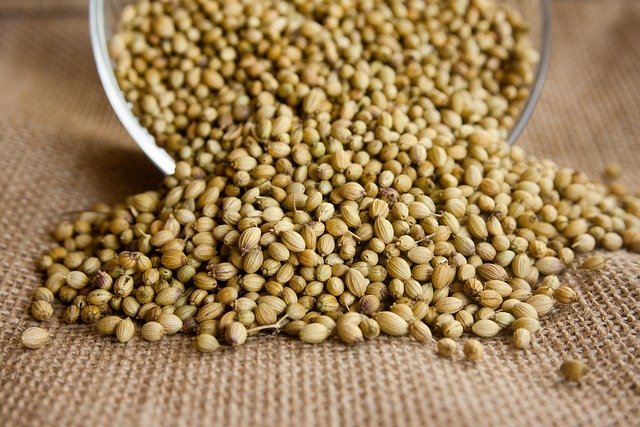
Coriander seeds are a must-have for gardeners, home cooks, and natural wellness enthusiasts alike. These small, round seeds are not only a flavorful addition to countless dishes but also serve as the foundation for growing the coriander herb, commonly known as cilantro when referring to its fresh green leaves.
From seasoning spicy curries to starting your own sustainable herb garden, coriander seeds (cilantro seeds for planting) open the door to both culinary delight and eco-conscious living.
🌿 What Is Coriander?
Coriander is a fast-growing annual herb from the Apiaceae family, and it’s one of the few plants where both the leaves and seeds are widely used — but with very different flavors. The fresh green leaves, commonly known as cilantro, are widely used in Latin American, Indian, and Asian dishes for their bright, citrusy taste.
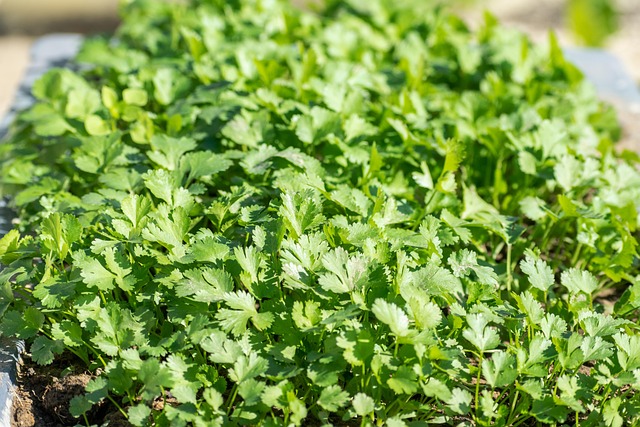
On the other hand, the seeds of the coriander plant, once dried, are what we know as coriander seeds — warm, earthy, and slightly sweet in flavor. While cilantro and coriander seeds come from the same plant, they are used in totally different ways in cooking and herbal remedies. This dual-purpose nature makes coriander a favorite among gardeners and cooks alike.
🌱 What Are Coriander Seeds?
Coriander seeds are the dried fruits of the Coriandrum sativum plant. This unique plant produces two useful ingredients: the leafy green herb we call cilantro, and the dried spice known as coriander seeds. While both come from the same plant, their flavors and uses are very different.
Fresh coriander herb (cilantro) has a sharp, citrusy flavor often used in Latin American, Indian, and Southeast Asian cuisines. In contrast, the seeds have a warm, nutty, slightly sweet taste and are used whole or ground in spice blends, teas, and even baked goods.
🧑🌾 Cilantro Seeds for Planting: A Gardener’s Guide
If you’re interested in coriander planting for your own self-sufficient garden, you’re in luck — this is one of the easiest herbs to grow. Whether you call them cilantro seeds or coriander seeds, they are the same thing. When labeled “cilantro seeds for planting,” they’re typically sold untreated and ready for home gardens.
🌿 How to Grow:
- Choose a sunny spot with well-drained soil.
- Sow cilantro seeds directly into the ground or a container (eco-friendly).
- Water gently and keep the soil consistently moist until germination (usually within 7–10 days).
- Harvest leaves early for cilantro, or let the plant flower and produce seeds for coriander.
The plant grows quickly, and with successive sowings, you can enjoy fresh leaves and seeds all season long. Letting your coriander plants go to seed supports pollinators and also gives you free cilantro seeds for planting next season — making your garden more sustainable and cost-effective.
Sustainable Gardening with Coriander
Growing your own coriander herb is a small but powerful step toward sustainable gardening. Instead of buying imported herbs in plastic packaging, you can grow fresh cilantro at home and harvest your own seeds — reducing waste and increasing food independence.
By planting cilantro seeds each season and saving the seeds from mature plants, you’re creating a self-sufficient garden cycle. This closed-loop approach not only supports your health but also benefits the planet by lowering your carbon footprint and promoting biodiversity in your backyard.
🍴 Culinary Uses of Coriander Seeds
In the kitchen, coriander seeds are a staple spice across global cuisines. Here’s how to use them:
- Toast and grind for spice blends (e.g. garam masala, curry powders)
- Use whole in pickles, stews, or rice dishes
- Infuse into herbal teas or spice oils
Their warm, citrusy flavor pairs well with cumin, cinnamon, ginger, and chili — making them ideal for both savory and sweet recipes.
Using fresh or dried coriander in eco-friendly cooking supports sustainable agriculture and adds a citrusy, earthy flavor to dishes without relying on processed ingredients.
🌿 Wellness Benefits of Coriander Herb & Seeds
Both the coriander herb (cilantro) and seeds have traditional uses in wellness. The leaves are rich in vitamins A, C, and K, while the seeds contain antioxidants and essential oils that support digestion, help regulate blood sugar, and may reduce inflammation.
One popular natural remedy is coriander tea, made by steeping crushed coriander seeds in hot water. This mild, citrusy herbal infusion is commonly used to soothe digestive discomfort, reduce bloating, and promote detoxification. Drinking coriander tea after meals can be a gentle, natural way to support overall digestive health.
🌱 Final Thoughts: Why Grow Coriander?
From seed to plate, coriander planting is a simple and rewarding way to connect with your food, support your health, and live more sustainably. Whether you’re starting with a packet of cilantro seeds for planting or saving your own from last season’s crop, this humble herb offers big returns.
Add coriander seeds to your kitchen, garden, and wellness routine — and you’ll discover why this plant has been cherished around the world for centuries.