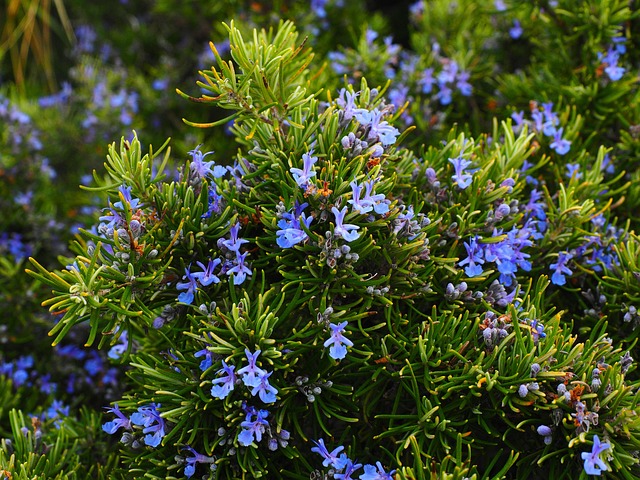
Rosemary spice is a versatile and aromatic herb cherished in kitchens and gardens around the world. With its woodsy scent and robust flavor, rosemary adds depth to a wide range of dishes and offers several health and wellness benefits. Whether you’re using fresh rosemary in a savory roast, sipping rosemary tea for relaxation, or growing rosemary in pots on your balcony, this Mediterranean native has a lot to offer.
What Is Rosemary?
Rosemary (Rosmarinus officinalis) is a woody, perennial herb from the mint family, known for its needle-like leaves and strong, pine-like fragrance. Native to the Mediterranean region, it has been used for centuries not only as a culinary herb but also for its medicinal and aromatic properties. Rosemary spice is typically made by drying the leaves of the rosemary plant and grinding or crumbling them for easy use in cooking.
Whether in the form of dry rosemary or fresh rosemary sprigs, this herb is a favorite for seasoning meats, potatoes, breads, and oils. It also pairs beautifully with garlic, thyme, and lemon, enhancing both the flavor and aroma of food.
Culinary Uses of Rosemary Spice
One of the most popular ways to use rosemary spice is in cooking. It’s especially well-suited for:
- Roasted meats: Rosemary complements lamb, chicken, pork, and beef, adding a rustic, savory flavor.
- Vegetables: Toss carrots, potatoes, or squash with olive oil, garlic, and rosemary before roasting.
- Soups and stews: Add a sprig of fresh rosemary while simmering soups or broths for a deeper aroma.
- Homemade bread: Rosemary focaccia is a classic Italian bread infused with rosemary spice and olive oil.
- Infused oils: Soak dry rosemary in olive oil for a few days to create a flavorful, homemade herb oil.
The strength of rosemary makes it a little different from more delicate herbs—it’s best used sparingly to avoid overpowering your dish.
Rosemary Tea: A Herbal Remedy
Rosemary spice isn’t limited to savory dishes. It also makes an excellent herbal tea. Rosemary tea is made by steeping fresh rosemary or dry rosemary leaves in hot water. It’s caffeine-free and naturally soothing.
Benefits of rosemary tea include:
- Mental clarity: Traditionally used to improve memory and focus.
- Digestion support: Helps relieve bloating and gas.
- Anti-inflammatory effects: Contains antioxidants like rosmarinic acid.
- Stress relief: The aroma and natural compounds may help calm the nervous system.
To make rosemary tea, simply steep 1 teaspoon of dry rosemary or 1 tablespoon of fresh rosemary in a cup of hot water for 5–10 minutes. Add honey or lemon for extra flavor.
Growing Rosemary in Pots or in Your Garden
If you love having herbs at your fingertips, organic rosemary is a wonderful choice for growing in pots. It’s a hardy plant that does well both indoors and outdoors, as long as it gets plenty of sunlight and good drainage.
Tips for growing rosemary in pots:
- Choose a terra cotta pot with drainage holes.
- Use well-draining soil, such as cactus or herb mix.
- Place in full sun, ideally 6–8 hours a day.
- Water when the top inch of soil is dry—rosemary doesn’t like soggy roots.
- Prune regularly to encourage bushy growth and prevent the plant from becoming woody.
Whether on a sunny windowsill or an outdoor balcony, potted rosemary brings beauty, fragrance, and function to any space.
Fresh Rosemary vs. Dry Rosemary
While fresh rosemary offers a more vibrant aroma and softer texture, dry rosemary is more concentrated and shelf-stable. You can substitute dry rosemary for fresh in most recipes, but reduce the quantity—generally use 1 teaspoon of dry rosemary for every 1 tablespoon of fresh rosemary.
Keep dry rosemary in an airtight container in a cool, dark place to preserve its oils and flavor for up to a year. Fresh rosemary can be kept in the fridge for about a week or frozen for longer storage.
Final Thoughts
Rosemary spice is more than just a kitchen staple—it’s a powerhouse herb that combines bold flavor, health benefits, and garden appeal. From cooking with dry rosemary to making rosemary tea or growing rosemary in pots at home, there are countless ways to incorporate this fragrant herb into your daily life. Whether you’re a home chef, an herbal tea lover, or a gardening enthusiast, rosemary deserves a spot in your spice rack and your backyard.