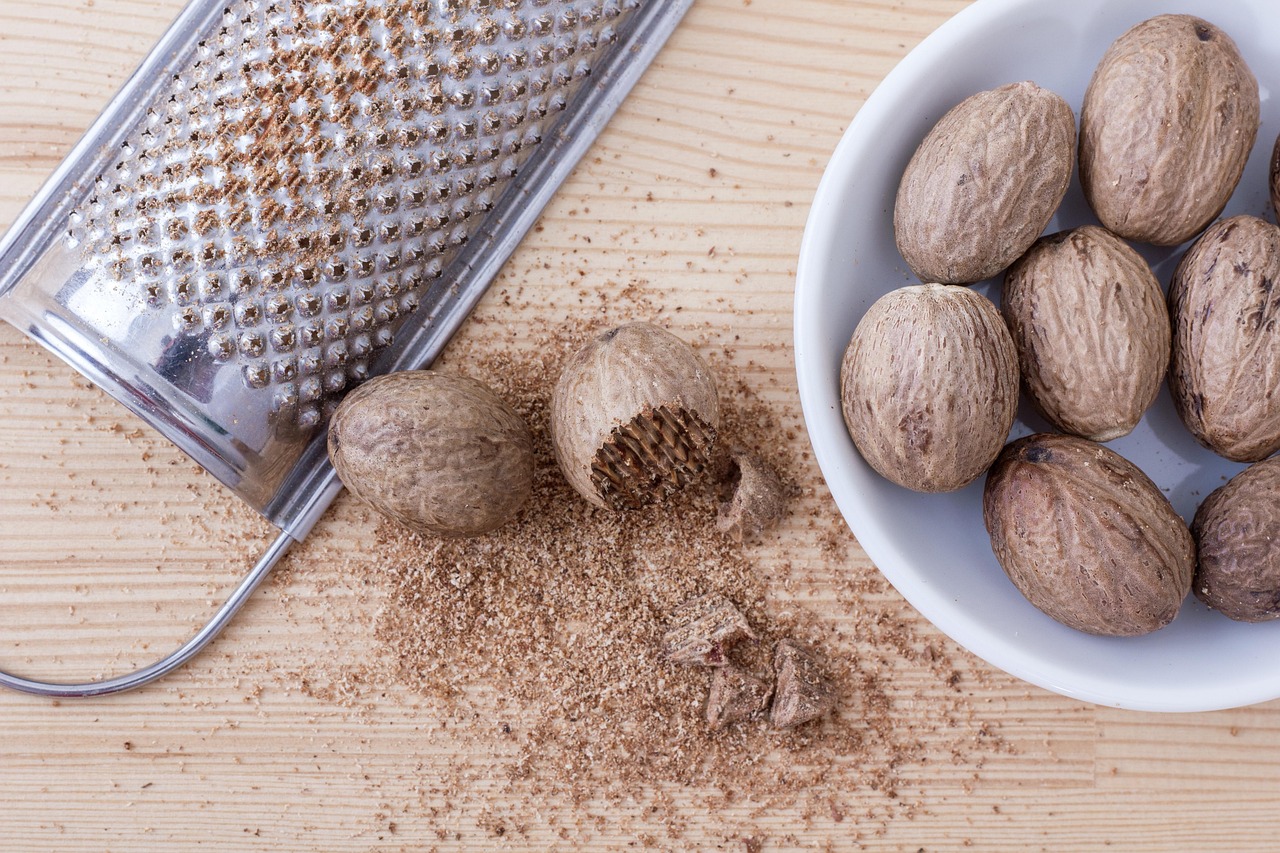
Nutmeg spice has delighted cooks and healers alike for centuries, prized for its warm aroma, unique flavor, and surprising health benefits. Whether you’re grating fresh nutmeg over a steaming latte or sprinkling ground nutmeg into a hearty stew, this versatile spice adds depth and richness to a wide range of dishes. Sourced from the seed of the Myristica fragrans tree, nutmeg spice is a must-have in both traditional and modern kitchens around the world.
The Origins and History of Nutmeg Spice
Long before it became a pantry staple, nutmeg spice was a luxury item worth fighting over. Native to the Banda Islands of Indonesia, nutmeg was once more valuable than gold. During the spice trade of the 16th and 17th centuries, colonial powers clashed over access to this fragrant seed. The Dutch, Portuguese, and British all vied for control, recognizing nutmeg’s economic power.
Today, nutmeg is cultivated in several tropical countries, including Grenada (dubbed the “Island of Spice”), Sri Lanka, and parts of the Caribbean. Despite its global availability, whole nutmeg remains a cherished ingredient that continues to carry the mystique of its exotic origins.
Whole Nutmeg vs Ground Nutmeg: What’s the Difference?
Both whole nutmeg and ground nutmeg (nutmeg powder) are derived from the same source—the seed of the nutmeg fruit. However, they differ significantly in terms of flavor, freshness, and shelf life.
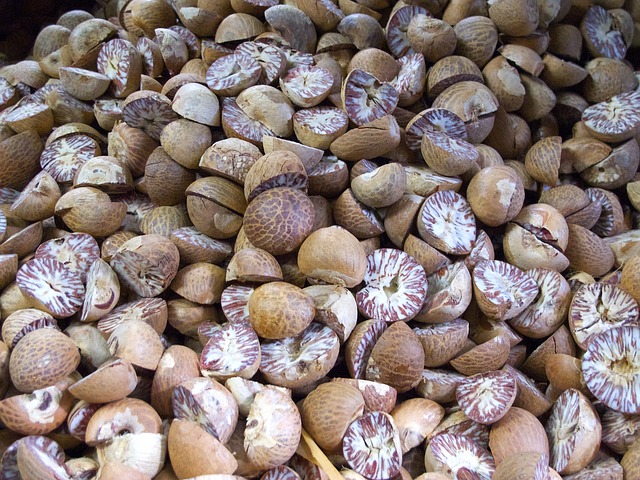
- Whole nutmeg is a hard, brown seed that can be grated as needed. It retains more of its essential oils, which means a more intense, aromatic flavor. It also has a longer shelf life when stored in a cool, dry place.
- Ground nutmeg, on the other hand, is pre-grated and more convenient, though it tends to lose potency faster. For best results, use ground nutmeg within six months of opening.
Many chefs and home cooks prefer using fresh nutmeg by grating it directly from the whole seed. This delivers a richer, more vibrant flavor—especially important in dishes where nutmeg plays a starring role.
Culinary Uses of Nutmeg Spice
Nutmeg spice is incredibly versatile. While often associated with sweet treats like pies, custards, and cookies, it also shines in savory dishes:
- In Italian cuisine, it adds a warm note to béchamel sauce and stuffed pasta.
- In Indian cooking, it’s included in spice blends like garam masala.
- Middle Eastern dishes may use nutmeg powder to enhance lamb, rice, or lentils.
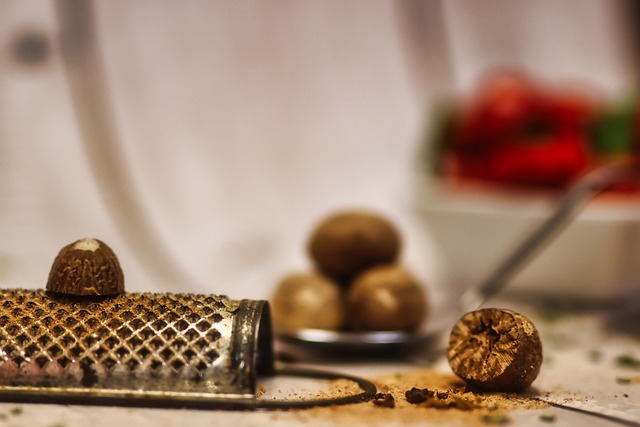
Don’t forget beverages—fresh nutmeg grated over hot drinks like chai, mulled wine, or eggnog adds a final aromatic touch that elevates the experience.
When cooking, a little goes a long way. Start with a pinch, especially when using ground nutmeg, as its flavor can become overpowering if overused.
Health Benefits of Nutmeg Spice
Beyond the kitchen, nutmeg spice has long been valued for its health-promoting properties. Rich in antioxidants and anti-inflammatory compounds, nutmeg may offer the following benefits:
- Digestive aid: Nutmeg helps stimulate digestion and can relieve nausea or bloating.
- Brain health: Some studies suggest nutmeg has neuroprotective effects and may improve memory and mood.
- Pain relief: Traditional remedies often include nutmeg powder for reducing joint and muscle pain.
- Sleep support: A warm glass of milk with a pinch of nutmeg is a time-honored sleep remedy in many cultures.
However, moderation is crucial. In large doses, compounds like myristicin in nutmeg can cause toxicity. Stick to culinary quantities—especially when using whole nutmeg or freshly grated nutmeg.
Nutmeg and Tea
Nutmeg adds a warm, slightly sweet, and earthy flavor that pairs beautifully with other spices like:
- Cinnamon
- Clove
- Cardamom
- Ginger
- Black pepper
Besides its unique taste, nutmeg also offers some potential health benefits when added to tea in small amounts:
- May aid digestion
- Can help promote relaxation and better sleep
- Has antioxidant and anti-inflammatory properties
- Traditionally used to relieve nausea or menstrual discomfort
☕ How to Add Nutmeg to Tea
1. Freshly Grated Nutmeg
- Use a microplane to grate a small amount (a pinch) directly into your tea.
- Best for strong teas like black tea or chai.
- Add it during steeping or right before serving.
2. Ground Nutmeg (Nutmeg Powder)
- Add 1/8 teaspoon or less to your tea blend or while boiling water for chai.
- Stir well to avoid clumping, especially in milky teas.
3. Nutmeg with Milk Tea
- Nutmeg pairs especially well with creamy or milky teas.
- Try adding it to chai, golden milk, or milk-based herbal teas.
🛑 A Few Tips and Warnings
- Don’t overdo it. Nutmeg is strong—and in large amounts, it can be toxic. A pinch (less than 1/4 teaspoon) is enough for flavor and safety.
- Taste test: Start small and adjust. Nutmeg’s flavor can quickly dominate a delicate tea.
- Combine wisely: It blends well with other warming spices, but not with citrus-forward teas.
🔥 Simple Nutmeg Tea Recipe
Ingredients:
- 1 cup water or milk (or half of each)
- 1 black tea bag or loose-leaf tea (or rooibos/herbal)
- 1 pinch fresh nutmeg
- Optional: cinnamon stick, cardamom pod, sweetener
Instructions:
- Bring the water or milk to a simmer.
- Add tea, nutmeg, and optional spices.
- Simmer for 5 minutes.
- Strain and serve with honey or sugar if desired.
Nutmeg in Wellness and Beauty
Nutmeg spice also appears in skincare and wellness products. The essential oil derived from fresh nutmeg is used in massage oils, soaps, and even perfumes. Its anti-inflammatory and antimicrobial properties make it helpful in treating acne and improving skin tone. Aromatherapists use nutmeg oil to relieve stress and promote relaxation.
Conclusion: Small Spice, Big Impact
From enhancing recipes to boosting wellness, nutmeg spice proves that big things come in small packages. Whether you prefer the convenience of nutmeg powder or the robust aroma of fresh nutmeg, this ancient spice remains a fragrant treasure in kitchens and homes around the world. By keeping whole nutmeg on hand and grating it fresh, you can unlock its full flavor potential and make every dish a little more special.