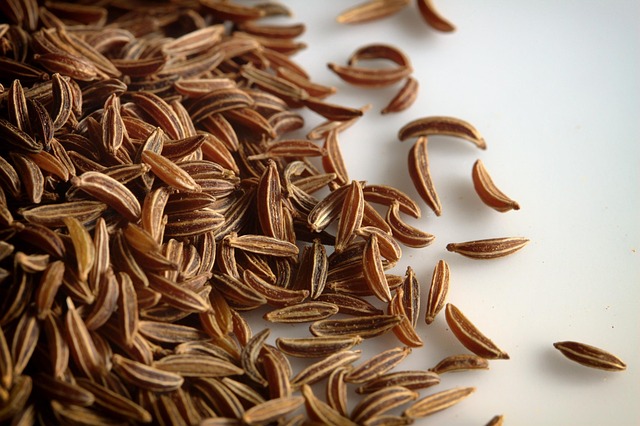
Caraway seeds are a unique spice that has been treasured for centuries for their warm, slightly sweet, and aromatic flavor. Known as the seeds of caraway, these tiny wonders are much more than just a seasoning—they hold a rich history and a place in kitchens around the world. From traditional European caraway dishes to modern culinary innovations, caraway seeds continue to inspire chefs and home cooks alike.
What Are Caraway Seeds?
When we talk about caraway seeds, we’re referring to the dried fruits of the caraway plant (Carum carvi). These slender, crescent-shaped seeds pack a punch of flavor and are often mistaken for similar spices like cumin or fennel, but their taste is distinct—an earthy blend of anise, citrus, and pepper.
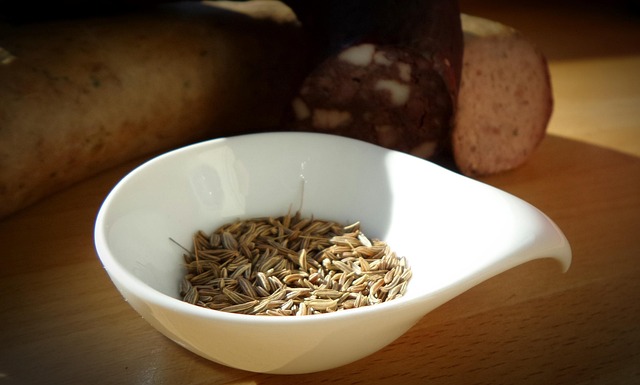
The seeds of caraway are popularly used as a caraway spice to enhance breads, cheeses, sauerkraut, and various meat dishes. Additionally, varieties like black caraway seeds (also called nigella or black cumin, which are botanically different but often confused) have gained popularity in Middle Eastern and South Asian cuisines.
Culinary Uses: Elevating Caraway Dishes
In the world of caraway dishes, the seeds of caraway are incredibly versatile. Some of the most beloved recipes include:
- Rye bread studded with crunchy caraway seeds for an aromatic twist.
- Sauerkraut and pickled vegetables flavored with caraway spice to add depth.
- Hearty stews and roasts enhanced with ground or whole caraway seeds.
- Cheese spreads and savory pastries featuring caraway spice for a subtle, warming note.
Caraway seeds can be used whole or ground, and to get the best flavor, they are often toasted lightly before adding to dishes. Their flavor pairs well with cabbage, potatoes, onions, and dairy products.
Organic caraway seeds is a flavorful way to practice sustainable cooking, these nutrient-rich seeds can be stored long-term with minimal environmental impact.
Caraway tea is a soothing herbal infusion made by steeping crushed caraway seeds in hot water. Known for its gentle, warming flavor, this tea is often used to aid digestion, relieve bloating, and calm stomach discomfort.
Drinking caraway tea after meals can help promote digestive health and provide a comforting, natural remedy that’s easy to prepare at home.
Black Caraway Seeds: Not the Same, But Equally Fascinating
It’s important to distinguish between traditional caraway seeds and black caraway seeds. While black caraway seeds (Nigella sativa) are a completely different plant, they share some culinary and medicinal uses with the classic caraway.
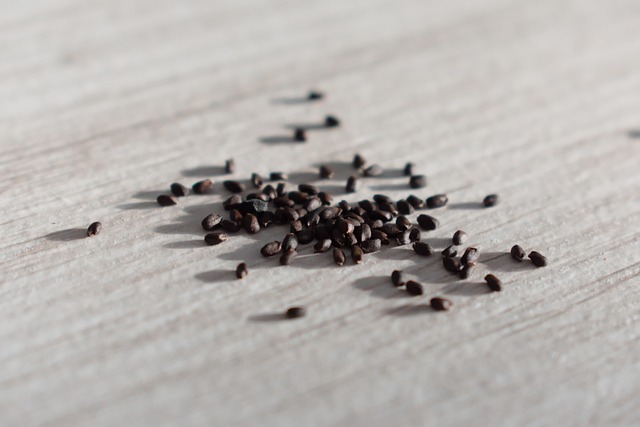
Black caraway seeds have a more peppery, nutty flavor and are commonly sprinkled on flatbreads, mixed into spice blends, or used as a garnish. They also hold a special place in natural medicine, much like the seeds of caraway.
Growing Caraway Seeds: Eco-Gardening and Self-Sufficient Gardening
For those interested in sustainability, cultivating caraway seeds is a wonderful step toward eco-gardening and building a self-sufficient garden. The caraway plant is biennial, meaning it grows leaves in the first year and produces seeds in the second, making it a low-maintenance and rewarding herb to grow.
By growing your own caraway spice, you reduce reliance on packaged goods and transportation, cutting down on your environmental footprint. Saving the seeds of caraway from your plants each year allows for continuous planting without purchasing new seeds, promoting a circular, sustainable gardening practice.
In a self-sufficient garden, caraway plants attract beneficial insects such as pollinators, supporting biodiversity and overall garden health. Their deep roots also help improve soil structure, making them a valuable companion plant.
Health Benefits of Caraway Seeds
The seeds of caraway have been used in traditional medicine for centuries. Known for their digestive properties, caraway spice can help alleviate bloating, indigestion, and gas. They also contain antioxidants and antimicrobial compounds that support overall wellness.
In herbal teas, the seeds of caraway add a warming, soothing element that’s perfect after heavy meals or during cold seasons. Whether used in cooking or as a remedy, the humble caraway seeds offer a range of benefits beyond flavor.
Tips for Using and Storing Caraway Seeds
To maximize flavor, toast caraway seeds lightly in a dry pan before use. Ground seeds release aroma quickly but lose potency faster, so whole seeds are preferred for long-term storage.
Store your seeds of caraway in an airtight container in a cool, dark place to preserve their oils and freshness. Whether you’re making traditional caraway dishes or experimenting in the kitchen, freshly stored seeds will elevate your meals.
Conclusion: Embrace Caraway Seeds in Your Kitchen and Garden
Incorporating caraway seeds into your cooking and gardening routines is a rewarding way to connect with nature and tradition. From the spicy aroma of caraway spice enhancing your favorite dishes to the satisfaction of growing your own seeds, caraway offers a blend of flavor, health, and sustainability.
Whether you choose the classic seeds of caraway or explore the distinct black caraway seeds, these tiny powerhouses deserve a place in your spice rack and garden bed. Through eco-gardening and self-sufficient gardening, you can enjoy fresh, flavorful seeds year after year — all while nurturing the earth.