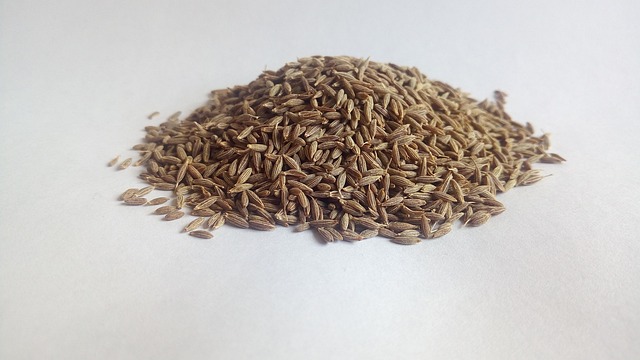
Cumin seeds are a fragrant and flavorful spice that has been cherished for centuries. Derived from the cumin plant, these tiny seeds bring warmth and depth to a wide variety of dishes around the world. Whether you are an experienced cook or a gardening enthusiast looking to cumin grow in your backyard, understanding the full potential of cumin seeds is essential.
What Are Cumin Seeds and the Cumin Plant?
The cumin plant (Cuminum cyminum) is a flowering herbaceous plant in the parsley family. Its seeds, known simply as cumin seeds, are the dried fruit of the plant and are widely used as a spice. Not to be confused with nigella sativa (also called black cumin or black seed), true cumin seeds have a warm, earthy aroma with slightly bitter undertones.
The cumin plant thrives in warm climates and is a staple in many culinary traditions, including Middle Eastern, Indian, North African, and Mexican cuisines. The process to cumin grow can be rewarding for home gardeners who wish to harvest their own fresh seeds.
Culinary Uses of Cumin Seeds
The bold flavor of cumin seeds makes them a fundamental spice in countless cumin dishes. Often toasted to bring out their nutty aroma, they can be ground into powder or used whole.
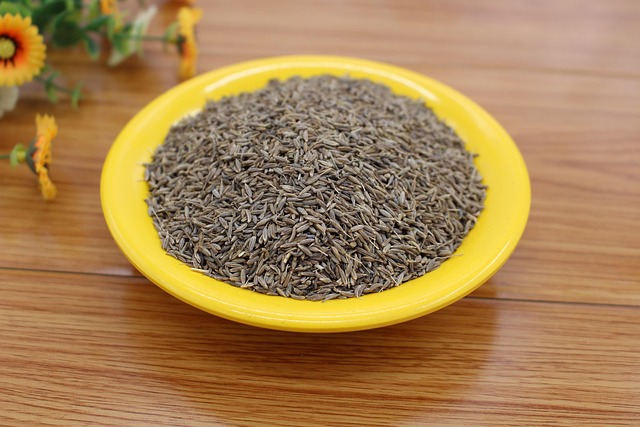
- In Indian cuisine, cumin seeds are a base for spice blends like garam masala and curry powders.
- In Middle Eastern recipes, the cumin plant seeds add warmth to stews, rice dishes, and grilled meats.
- Mexican cooking uses cumin seeds to enhance chili powders and taco seasoning.
While nigella sativa is often confused with cumin, it has a more peppery and pungent flavor profile and is used differently in cooking and medicine.
Growing Cumin: Tips for Cumin Grow Enthusiasts
For those who want to cumin grow at home, the cumin plant is relatively easy to cultivate under the right conditions. It prefers well-drained soil, plenty of sunlight, and moderate watering.
Starting from seeds, you can sow cumin indoors or directly in the garden once the danger of frost has passed. The plant typically takes about 3–4 months to mature and produce seeds. Harvesting your own cumin seeds not only guarantees freshness but also promotes a sustainable approach to cooking and gardening.
Nigella Sativa vs. Cumin Seeds
It’s important to distinguish between nigella sativa and cumin seeds from the cumin plant. Though sometimes called “black cumin,” nigella sativa is a separate species with different culinary and medicinal uses. While cumin seeds bring warmth and earthiness to dishes, nigella sativa offers a peppery and slightly bitter flavor and is used both as a spice and a natural remedy.
Both seeds are valuable additions to the kitchen but serve unique purposes.
Eco-Gardening and Self-Sufficient Gardening with the Cumin Plant
Growing your own cumin seeds is a fantastic way to engage in eco-gardening and foster a self-sufficient garden. By cultivating the cumin plant, you reduce your reliance on commercially packaged spices that often involve long supply chains and plastic packaging.
Incorporating cumin into your garden also supports biodiversity. The flowering cumin plant attracts pollinators, contributing to the overall health of your garden ecosystem. Saving seeds from your own plants year after year encourages a sustainable, closed-loop system, which is the heart of self-sufficient gardening.
Adding cumin to your recipes not only enhances them with a warm, nutty depth but also supports eco-friendly cooking by favoring whole, sustainably sourced spices over artificial flavorings.
Health Benefits of Cumin Seeds
Besides their culinary uses, cumin seeds offer several health benefits. Rich in antioxidants and essential oils, cumin seeds support digestion, boost the immune system, and may even help regulate blood sugar levels.
Traditional herbal remedies often use cumin seed tea—a simple infusion of crushed seeds steeped in hot water—to soothe digestive discomfort and reduce inflammation.
How to Use and Store Cumin Seeds
For maximum flavor, gently toast cumin seeds before grinding or adding to dishes. Whole seeds retain their potency longer than ground spices.
Store your cumin seeds in an airtight container away from light and heat to maintain freshness for several months. Growing your own cumin plant ensures you always have fresh seeds ready for your cooking needs.
Conclusion: Embrace the Cumin Plant and Its Seeds for Flavor and Sustainability
Whether you’re passionate about cooking or keen on cumin grow at home, the cumin plant and its seeds offer an incredible combination of flavor, health benefits, and sustainability. By integrating cumin into your garden and kitchen, you take a step toward eco-gardening and building a more self-sufficient garden.
Explore the rich tradition and vibrant uses of cumin seeds and appreciate the difference between them and nigella sativa. With a little effort, you can enjoy fresh, aromatic cumin seeds harvested right from your backyard.