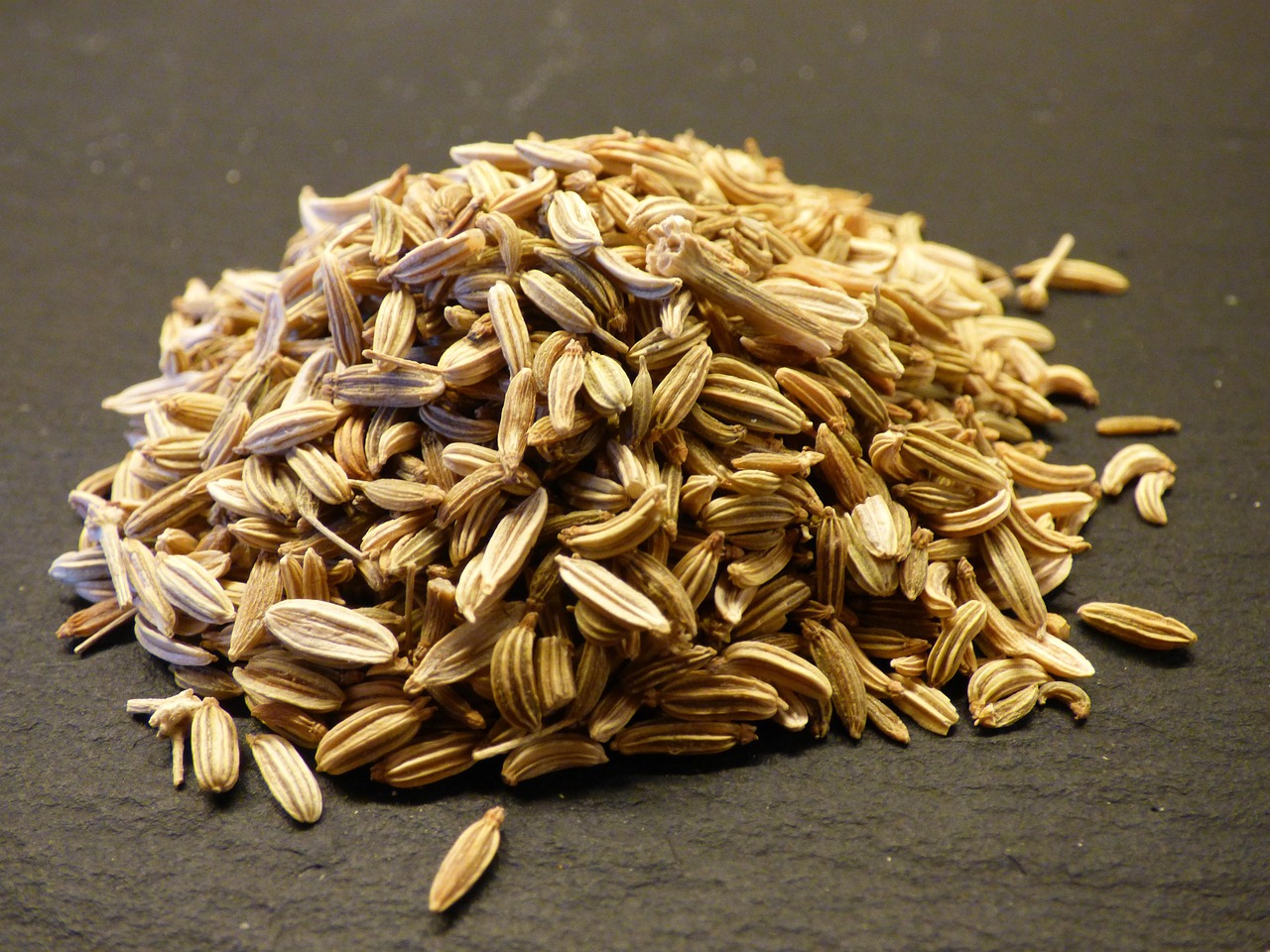
Fennel seeds are a popular and aromatic spice known for their sweet, licorice-like flavor. The use of fennel seeds spans culinary, medicinal, and gardening traditions, making fennel seeds a versatile ingredient in kitchens worldwide. From common fennel to organic fennel, these tiny seeds pack a powerful punch.
Whether you’re interested in germinating fennel seeds in your garden or using fennel seed powder in your recipes, understanding the many uses of fennel seeds is essential for every food and garden enthusiast.
In this article, we will explore the benefits of fennel seeds, their culinary uses, tips for germinating fennel seeds, and how to incorporate fennel into eco-friendly, self-sufficient gardening practices.
Absolutely! Here’s a paragraph about fennel in general that you can insert near the beginning of the article for a nice introduction to the plant itself:
About Fennel: The Versatile Herb
Fennel is a perennial herb native to the Mediterranean region, prized for its feathery green leaves, crunchy bulb, and aromatic seeds. Known scientifically as Foeniculum vulgare, fennel has been cultivated for thousands of years for both culinary and medicinal purposes.
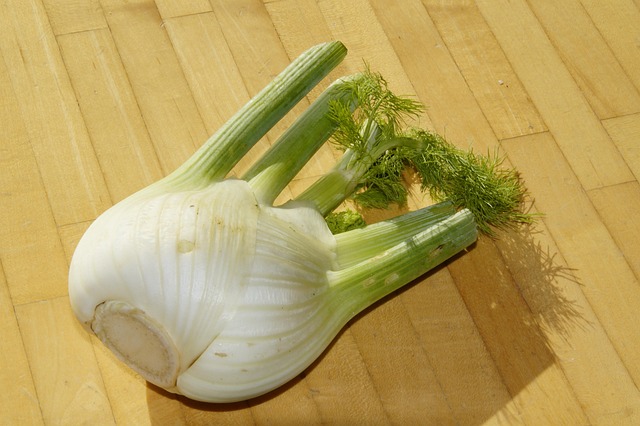
The entire plant is edible—the bulb can be sliced and eaten raw or cooked, the fronds make a flavorful garnish, and the seeds are harvested as a popular spice. With its sweet, anise-like flavor, fennel adds a refreshing touch to salads, soups, and roasted dishes, making it a truly versatile herb in the kitchen and garden alike.
What Are Fennel Seeds and Their Culinary Uses?
Fennel seeds, also known as saunf seeds, come from the common fennel plant (Foeniculum vulgare), a hardy perennial herb in the carrot family. These seeds are celebrated for their aromatic, slightly sweet flavor that closely resembles licorice or anise. Fennel spice is widely used across cuisines, especially in Indian, Mediterranean, and Middle Eastern dishes.
Culinary enthusiasts often use fennel seed powder to add depth to spice blends, curries, and baked goods. Whole fennel seeds are commonly toasted to release their oils before being incorporated into recipes. Whether sprinkled on breads or mixed into spice rubs, fennel seeds enhance flavor profiles with their distinct sweetness.
Health Benefits and Fennel Tea
Beyond their culinary appeal, fennel seeds offer numerous health benefits. They are known for aiding digestion, reducing bloating, and providing antioxidant properties. One of the most popular ways to enjoy these benefits is by brewing fennel tea, a soothing herbal infusion made by steeping crushed fennel seeds in hot water.
Fennel tea is celebrated for its ability to calm the digestive system, relieve cramps, and even support lactation in nursing mothers. Drinking this tea regularly can promote overall digestive health and is a natural, caffeine-free way to enjoy the benefits of fennel spice.
Growing Fennel: Germinating Fennel Seeds and Eco-Gardening
For those interested in sustainable living, germinating fennel seeds and growing your own common fennel is a rewarding venture. The common fennel plant thrives in well-drained soil and prefers full sun, making it an excellent addition to many home gardens.
Starting your garden with organic fennel seeds ensures you avoid synthetic pesticides and fertilizers, promoting a healthier environment. By cultivating fennel at home, you contribute to sustainable gardening practices that reduce reliance on store-bought spices and support biodiversity.
Fennel plants also attract beneficial insects such as pollinators and predatory bugs that help control pests naturally. Incorporating fennel into a self-sufficient garden encourages a balanced ecosystem and allows you to harvest fresh seeds year after year.
Fennel is a perfect choice for eco-friendly cooking, offering a sweet, aromatic flavor while supporting sustainable spice use through organic growing and minimal processing.
How to Germinate and Harvest Fennel Seeds
When germinating fennel seeds, soak them in water for 24 hours to improve sprouting rates, then plant them about ¼ inch deep in well-prepared soil. Germination usually occurs within 10 to 14 days. Regular watering and ample sunlight are key to healthy growth.
Once the common fennel plant flowers, the seeds develop in umbrella-shaped clusters. Harvest the fennel seeds when they turn brown and dry by cutting the seed heads and allowing them to air dry further if needed.
For use in cooking, grind the dried seeds into fennel seed powder or toast them whole for a fragrant addition to your favorite dishes.
Storing and Using Fennel Seeds
To maintain freshness, store fennel seeds and fennel seed powder in airtight containers away from light and heat. Proper storage preserves the aromatic oils that give fennel spice its distinctive flavor.
In cooking, use whole seeds for slow-cooked dishes or grind the seeds fresh for spice blends. Saunf seeds can also be chewed after meals as a natural breath freshener and digestive aid—a common practice in Indian culture.
Conclusion: Embrace Fennel Seeds for Flavor, Health, and Sustainable Gardening
Fennel seeds are much more than a kitchen staple—they are a gateway to flavorful cooking, natural health benefits, and sustainable living. From enjoying soothing fennel tea to germinating fennel seeds in your garden, the common fennel plant offers endless opportunities to connect with nature and enhance your lifestyle.
By choosing organic fennel seeds and practicing eco-gardening and self-sufficient gardening, you nurture both your body and the environment. Incorporate fennel spice into your culinary adventures and gardening plans for a fragrant, flavorful, and sustainable experience.