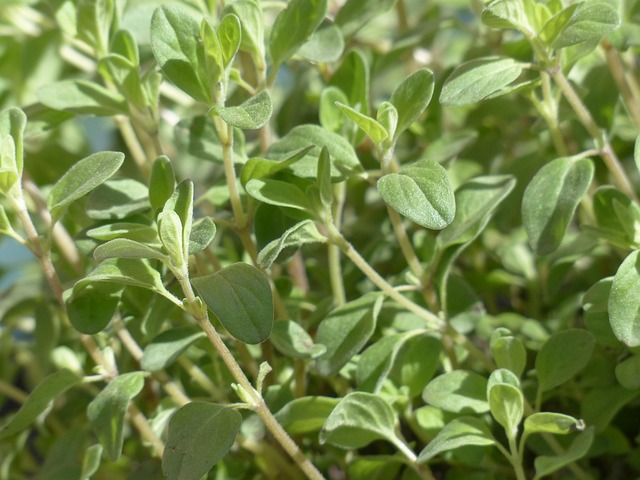
Marjoram spice is a fragrant, flavorful herb that has been treasured for centuries in kitchens and apothecaries alike. Whether used as fresh marjoram or in its more concentrated dried marjoram form, this delicate herb lends a unique, slightly sweet, and citrusy flavor to a wide variety of dishes. Native to the Mediterranean region, marjoram belongs to the mint family and is closely related to oregano—though milder and more nuanced in taste.
A Closer Look at Marjoram
Marjoram (Origanum majorana) thrives in warm climates and has been a staple in European and Middle Eastern cuisines for generations. While fresh marjoram is often used in salads, soups, and sauces, dried marjoram is more commonly found in spice racks around the world. The drying process intensifies its flavor and extends its shelf life, making it a convenient choice for everyday cooking.
As a culinary herb, marjoram spice is known for its ability to complement a variety of ingredients without overpowering them. It’s especially popular in Mediterranean dishes such as roasted vegetables, tomato-based sauces, grilled meats, and hearty stews. Marjoram seasoning blends beautifully with other herbs like thyme, basil, and rosemary, creating complex flavor profiles that elevate even the simplest recipes.
Marjoram vs. Oregano: What’s the Difference?
Many people confuse marjoram with oregano, and while they share some similarities, they are distinct in flavor and use. Oregano is bolder, spicier, and often used in robust Italian or Mexican dishes. Marjoram, on the other hand, is more delicate, sweet, and floral. This makes marjoram spice a better fit for recipes that require subtlety, such as poultry dishes, creamy soups, and vinaigrettes.
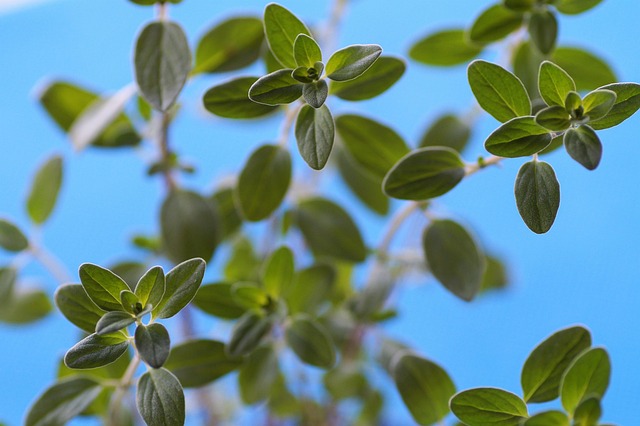
Fresh marjoram leaves are soft, oval, and pale green, often used as a garnish or added at the end of cooking to preserve their flavor. In contrast, dried marjoram has a more concentrated taste and can withstand longer cooking times, making it ideal for marinades, rubs, and seasoning blends.
Health Benefits of Marjoram Spice
Beyond its culinary uses, marjoram spice has been valued for its medicinal properties since ancient times. Rich in antioxidants and essential oils, marjoram contains compounds like carvacrol and thymol, which have antibacterial, anti-inflammatory, and antifungal properties.
Traditional herbal medicine has used marjoram for:
- Digestive health: Marjoram tea is known to relieve bloating, cramps, and indigestion.
- Stress relief: The calming scent of marjoram essential oil is often used in aromatherapy to reduce anxiety and improve sleep.
- Respiratory support: Marjoram can help soothe coughs and clear nasal congestion when consumed as a tea or used in steam inhalation.
While more research is needed to confirm some of these effects, incorporating marjoram seasoning into your diet is a delicious way to enjoy potential health benefits.
Cooking with Marjoram
When using marjoram in your cooking, keep in mind that it’s best added toward the end of the cooking process if using fresh marjoram. This preserves its delicate oils and flavor. Dried marjoram, however, can be added earlier and holds up well during simmering and roasting.
Here are a few ideas to try:
- Soups and Stews: Add marjoram spice to vegetable or chicken soup for added depth.
- Marinades: Combine dried marjoram with olive oil, garlic, lemon, and pepper for a simple meat marinade.
- Roasted Vegetables: Toss potatoes, carrots, or zucchini with marjoram seasoning before baking.
- Salads: Sprinkle fresh marjoram over Greek or Mediterranean-style salads.
🌿 What Is Marjoram Tea?
Marjoram tea is made by steeping either fresh marjoram leaves or dried marjoram in hot water. It’s caffeine-free and has a mild, slightly sweet, and earthy flavor—somewhat similar to oregano but more delicate.
🌱 Health Benefits of Marjoram Tea:
People have used it for centuries in herbal medicine. Common benefits include:
- Aids digestion – Helps relieve bloating, gas, and cramps.
- Reduces stress and anxiety – Natural calming properties.
- Supports respiratory health – Can soothe coughs and congestion.
- Anti-inflammatory – Contains compounds like carvacrol and thymol.
🍵 How to Make Marjoram Tea:
Ingredients:
- 1 tsp dried marjoram or 1 tbsp fresh marjoram
- 1 cup boiling water
- Optional: honey or lemon
- Place marjoram in a teacup or teapot.
- Pour boiling water over the herb.
- Cover and steep for 5–10 minutes.
- Strain and enjoy!
Where to Buy and How to Store
Marjoram spice is widely available in grocery stores, either as dried marjoram or as part of herb blends like Italian seasoning. Fresh marjoram can be found in the produce section or grown easily at home in herb gardens.
To store dried marjoram, keep it in a sealed container away from light and moisture. It retains its potency for about 6 months to a year. Fresh marjoram should be stored in the refrigerator, wrapped in a damp paper towel, and used within a few days.
Additionally, marjoram is easy to grow in your own backyard or even on a sunny balcony in terracota pots or containers. Please avoid using plastic ones. For sustainable gardening, use organic soil, compost, and water efficiently to support healthy, eco-friendly growth.
Final Thoughts
Marjoram spice is more than just a kitchen staple—it’s a versatile herb with a rich history and a wide range of uses. Whether you’re experimenting with Mediterranean cuisine, looking to boost the flavor of your dishes, or exploring natural remedies, marjoram seasoning deserves a spot in your spice collection.
With its aromatic charm and health-supportive properties, both dried and fresh marjoram bring warmth and complexity to your meals.