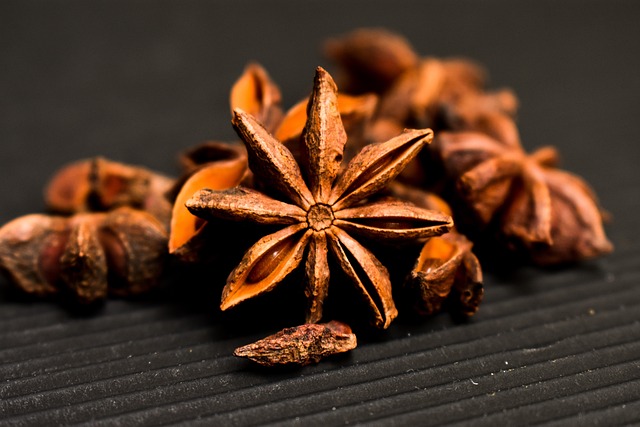
Star anise is a captivating spice with a distinct licorice flavor that has enchanted cooks and herbalists alike for centuries. Derived from the seed pods of Illicium verum, the star anise plant, this spice plays a vital role in culinary traditions and natural remedies worldwide.
Understanding the uses and cultivation of star anise offers exciting opportunities for cooking and gardening enthusiasts. This article dives deep into the world of star anise, highlighting its flavor, health benefits, how to grow it sustainably, and how to enjoy it as a soothing tea.
What is Star Anise? Understanding Illicium Verum and Chinese Star Anise
The term star anise refers primarily to the dried fruit of the Illicium verum tree, native to China and Vietnam. The star-shaped pods release a potent licorice flavor when crushed, making star anise spice a key ingredient in spice blends like Chinese five-spice powder and in various Asian dishes.
It is important to distinguish Chinese star anise from Japanese star anise (Illicium anisatum), which is toxic and not used for culinary purposes. True star anise (Illicium verum) is safe for cooking and widely appreciated for its warm, sweet aroma.
Culinary Uses of Star Anise Spice
Star anise spice is beloved for its versatility in both sweet and savory dishes. In Chinese cuisine, Chinese star anise is essential for braises, soups, and sauces. Its robust flavor complements meats like pork and duck, enriching the taste and aroma.
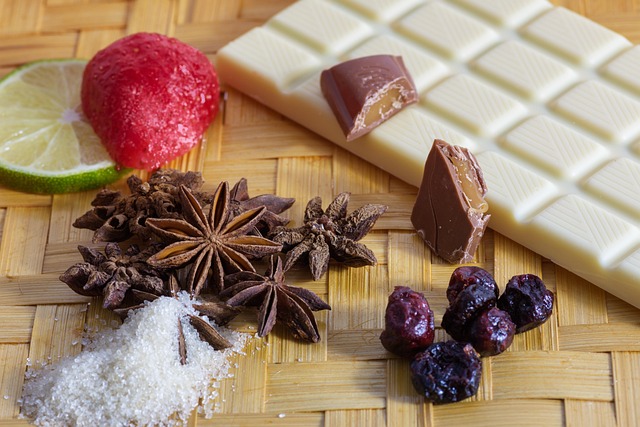
Beyond Asia, star anise spice is often used in baking and beverage preparation, including mulled wines and chai teas, where its distinctive licorice note adds depth and complexity. Ground or whole, star anise elevates spice blends, desserts, and even cocktails.
Incorporating star anise into your eco-friendly cooking brings a natural sweetness and aroma, all while embracing whole, unrefined spices that reduce packaging waste.
Growing Star Anise: Eco-Gardening and Self-Sufficient Gardening
For gardeners interested in sustainable practices, cultivating star anise can be a rewarding addition to an eco-gardening or self-sufficient gardening plan. The star anise tree thrives in warm, subtropical climates with well-drained, fertile soil and partial shade.
Starting with seeds or young plants, gardeners can practice organic methods to nurture healthy growth without relying on harmful chemicals. Growing your own star anise reduces dependence on imported spices and packaging waste, supporting environmental sustainability.
In a self-sufficient garden, incorporating star anise adds biodiversity and a unique, aromatic plant that can be harvested for fresh spice pods, tea, or medicinal use.
Star Anise Tea: A Soothing Herbal Brew
One of the most popular uses of star anise beyond cooking is as a tea. Brewing star anise tea involves steeping the whole pods or crushed seeds in hot water, releasing the gentle licorice flavor and numerous health benefits.
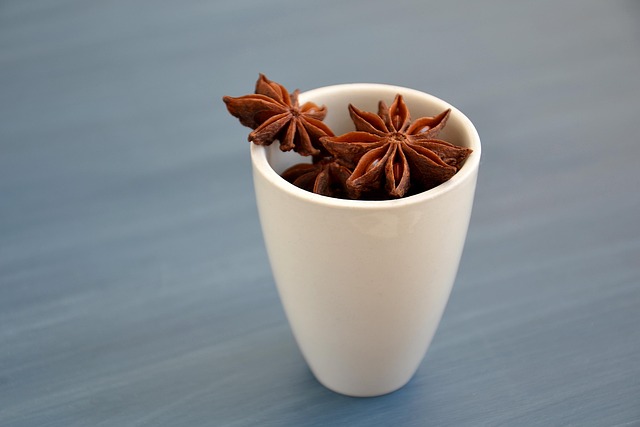
Star anise tea is traditionally consumed to aid digestion, relieve cold symptoms, and promote relaxation. Its natural antimicrobial properties make it a popular choice in herbal medicine. Enjoying star anise tea is a comforting ritual, especially during colder months.
Health Benefits of Star Anise
Besides its culinary appeal, star anise offers impressive health benefits. Rich in antioxidants and essential oils, star anise spice supports the immune system, aids digestion, and may help reduce inflammation.
The presence of shikimic acid, a compound used in antiviral medications, highlights the medicinal importance of star anise. However, it’s important to use star anise responsibly and ensure you’re using the edible Illicium verum variety.
How to Store and Use Star Anise
To preserve the flavor of star anise spice, store whole pods in an airtight container away from light and moisture. Ground star anise loses its potency quickly, so grinding fresh as needed is preferred.
Use star anise whole for slow cooking or steeping in teas and broths, while powdered form is great for spice blends and baking.
Conclusion: Embrace Star Anise for Flavor, Health, and Sustainable Gardening
Whether you’re savoring the aromatic star anise spice in your favorite dishes, brewing calming star anise tea, or cultivating Illicium verum in your garden, star anise offers a unique blend of flavor, health benefits, and sustainability. By growing your own Chinese star anise and incorporating it into an eco-gardening or self-sufficient gardening lifestyle, you take part in a tradition that honors both nature and cuisine.
Explore the rich heritage and diverse uses of star anise and bring this magical spice into your kitchen and garden today.
If you’d like, I can help you create social media posts or a gardening guide based on this article!